Destination: India
Departures 2024 – Price: £4800
26 Nov – 10 Dec (full)
Departures 2025 – Price: TBC
Dates: TBC
Group size: 12 max
Or phone +44 (0)1270 440222





Assam and Nagaland – Festivals, Tribes and Tea Gardens
Highlights include…
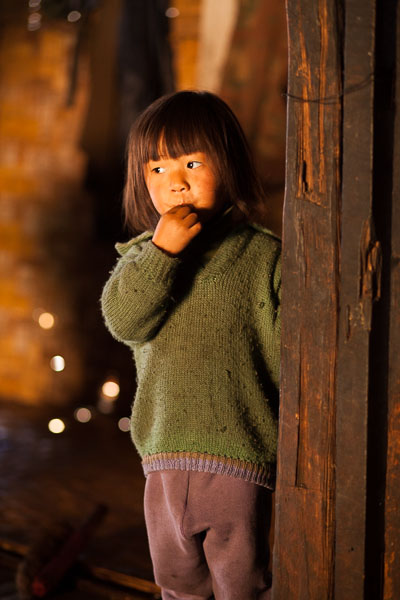
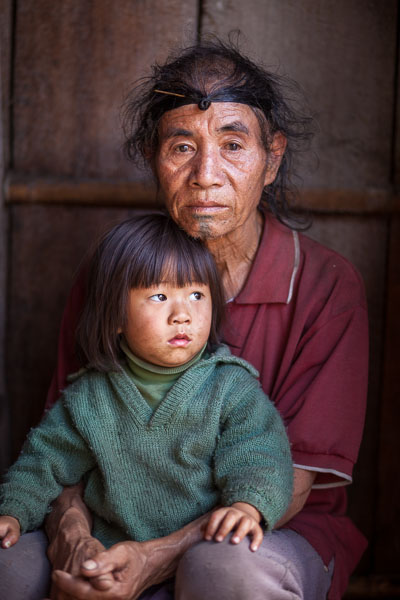
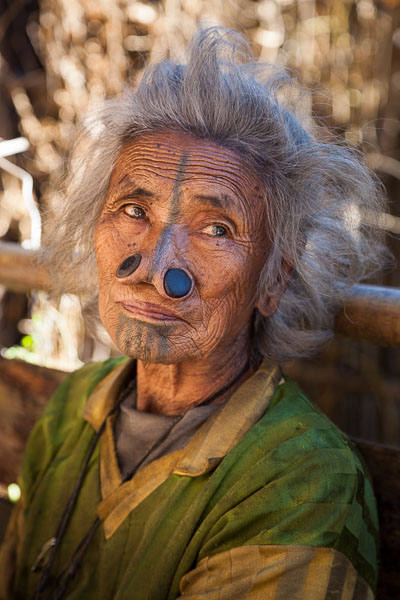
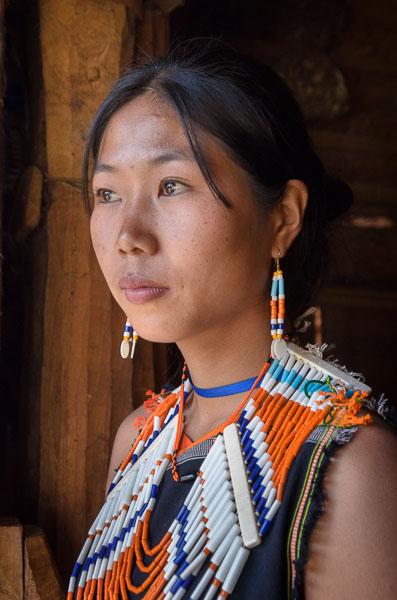
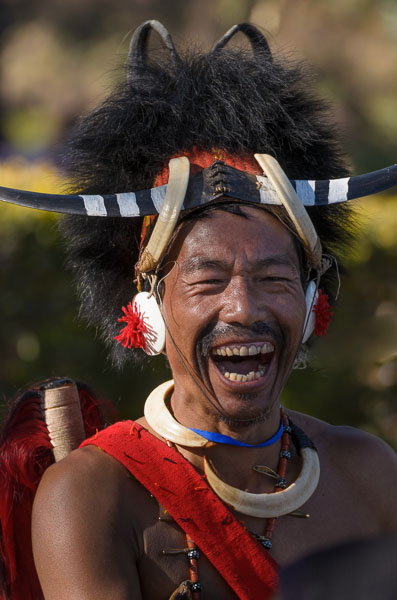
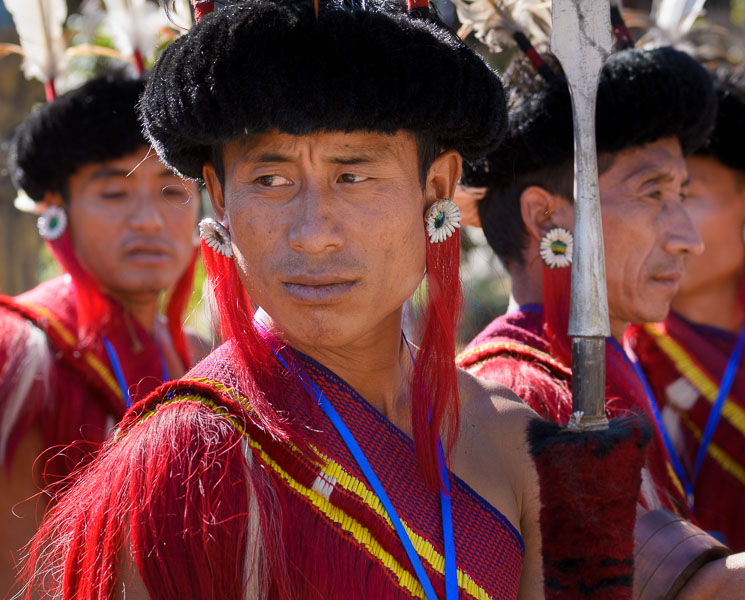
- Tribes of Nagaland
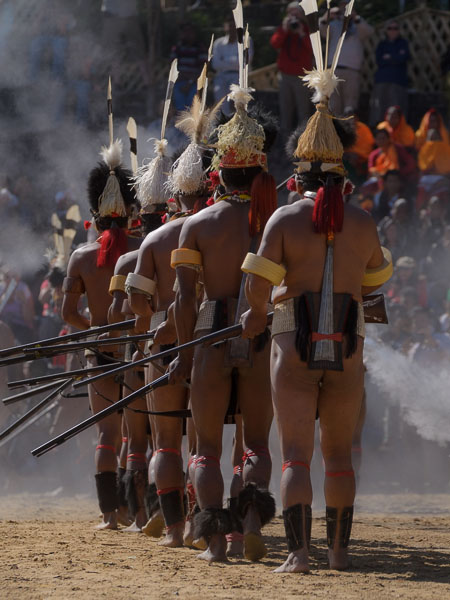
- Naga Hornbill Festival
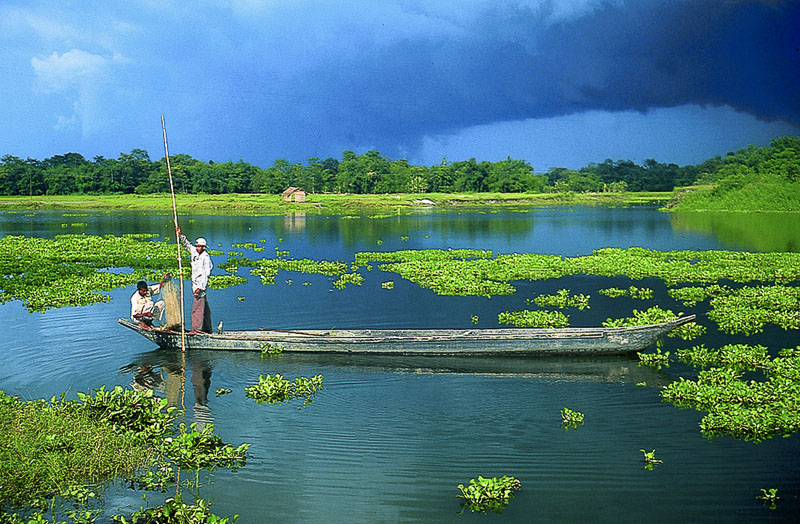
- Majuli, world’s largest river island
- Kaziranga National Park
- Jeep and elephant safaris in Kaziranga
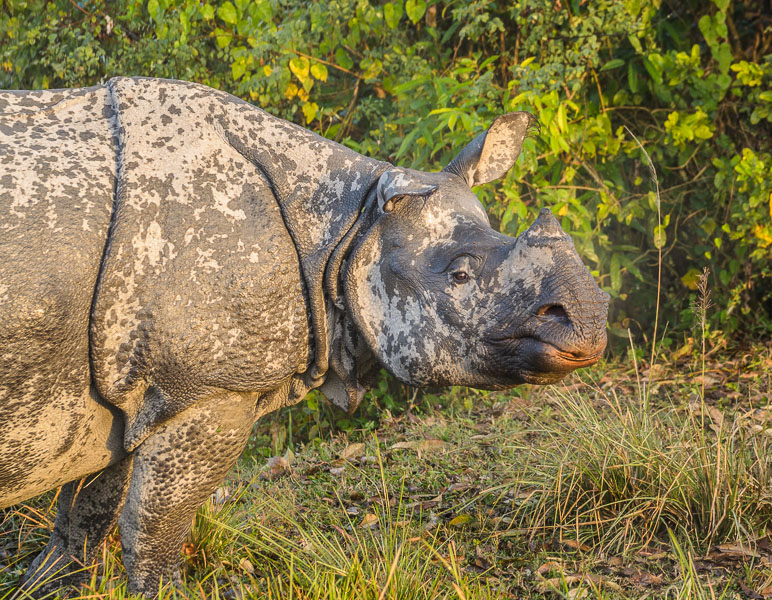
- Great Indian one horned rhino
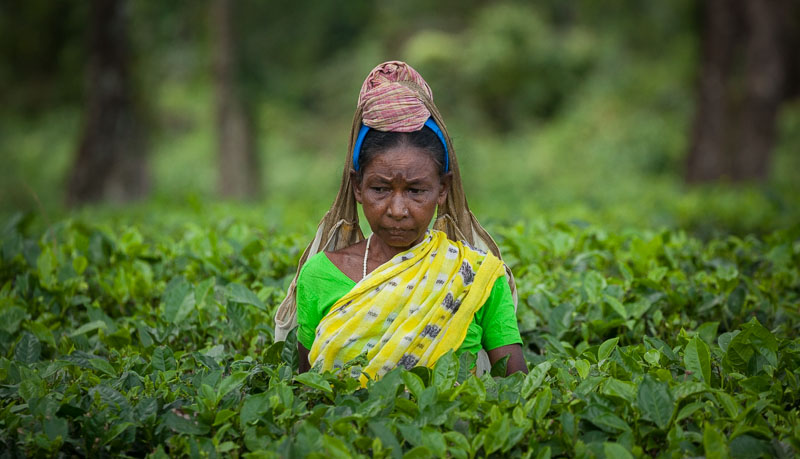
- Tea plantations of Assam
- Tranquil colonial bungalows
- Monks and monasteries
- Tuophema tribal village
- Diverse birdlife
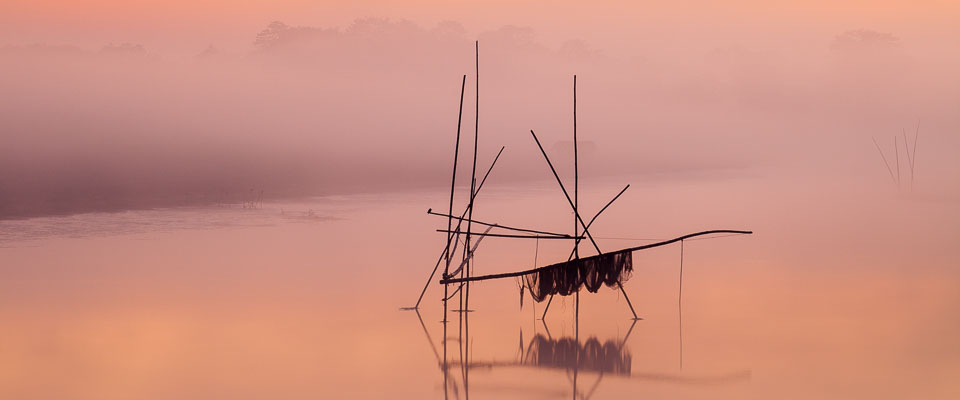
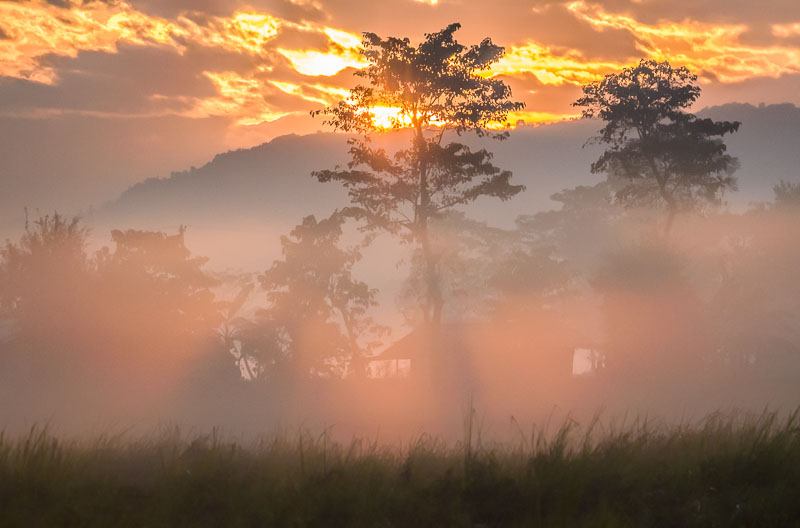
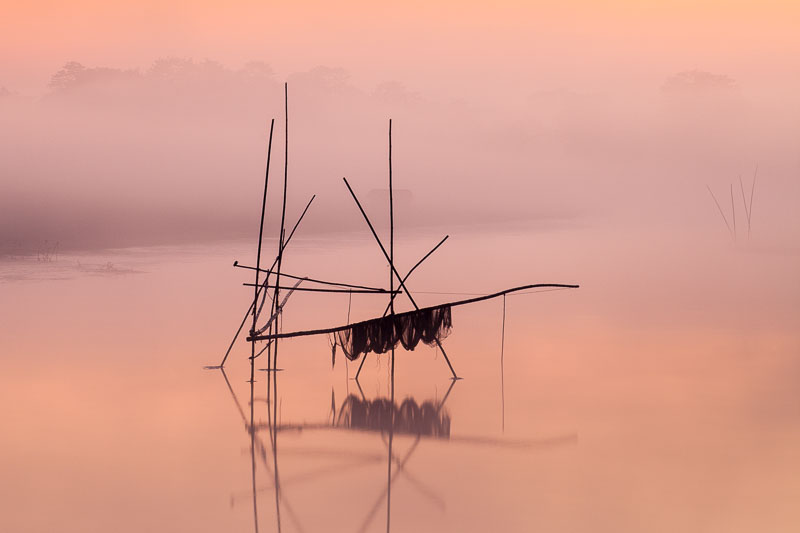
- Misty river sunrises
General Summary
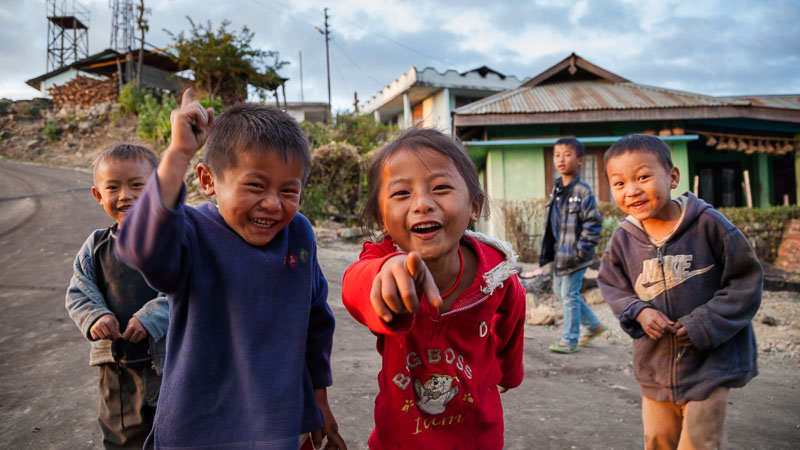
We are excited to announce a new and improved itinerary for our photographic tour of some remote and little-known areas of North East India. Join us for this epic adventure that takes us to both Assam and the tribal villages of Nagaland. Assam is better known than its neighbouring Indian states through its reputation as one of the country’s major tea-growing areas. In Assam our journey starts with a visit to the Kaziranga National Park, famous for its conservation of the Great Indian One-horned Rhinoceros. From here we explore the tea gardens that Assam is famous for. We taste the lifestyle of a Colonial tea planter both at Wild Mahseer and Banyan Grove. In both locations we stay in gorgeous heritage bungalow accommodation. Majuli the world’s second largest river island is a further highlight where we visit monks and interact with the friendly local people renowned for their boat skills on the mighty Brahmaputra. Moving on to Nagaland we explore this little known tribal state bordering Myanmar. It comprises sixteen regions and numerous ethnically different hill tribes. We will have opportunities to visit some of the villages and tribes. We will also spend two nights in Touphema Village, home to the Rengma tribe. We conclude our Nagaland adventure with two days at the annual Hornbill Festival where many of the remote tribes come together for an extravaganza of colourful celebrations. Be prepared to be totally blown away by this adventurous journey. Return home with a superb portfolio of travel images together with a whole bunch of vibrant memories.
Brief Itinerary
For full details please download the trip description PDF
Day 1: Arrive in Calcutta
Transfer to group Hotel. We will meet as a group in the evening for introductions, a trip briefing and dinner.
Day 2: Kaziranga National Park
After breakfast we will take the morning flight to Jorhat in Assam. From there we will travel to the famous Kaziranga National Park. Our delightful accommodation is adjacent to the river where local people fish. The local people also cultivate fields of bright yellow mustard. The park itself is remarkable for the work done on conserving the one-horned Indian rhinoceros. Late afternoon we arrive and settle in. In the evening we may enjoy some cultural entertainment and a BBQ.
Accommodation: Diphlu River Lodge
Day 3: Kaziranga National Park
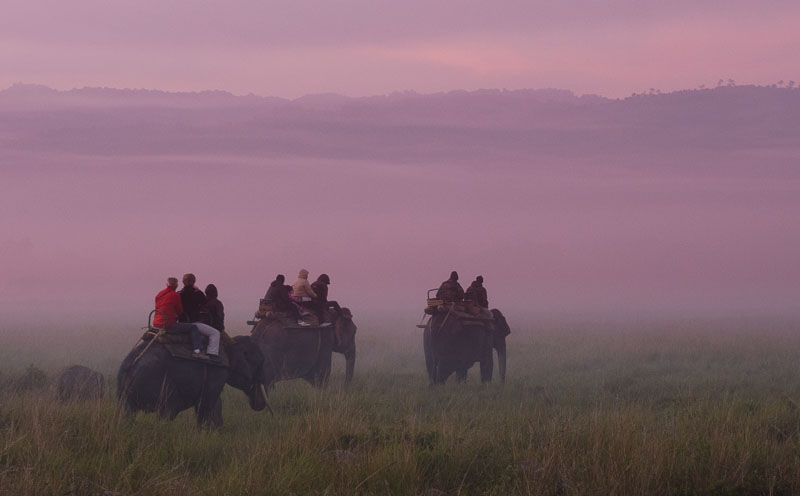
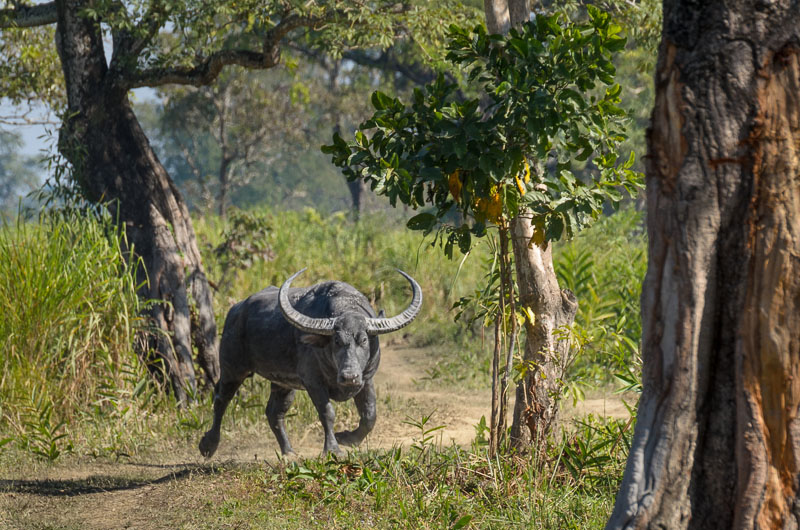
We begin the day with a sunrise elephant safari through the park. Since the wildlife is relatively unconcerned by the presence of elephants, we will be able see more wildlife at a closer range than when we travel by jeep. We return to the lodge for breakfast and a chance to visit the local village and its friendly inhabitants. After lunch we take a jeep safari into the western massif. The sunset over the lake in the massif is particularly lovely.
Accommodation: Diphlu River Lodge
Day 4 & 5: Balipara and Wild Mahseer
Following sunrise and a relaxing breakfast we leave for Wild Mahseer located on the north bank of the Brahmaputra River. Wild Mahseer is a step back in time to colonial days. The photographic opportunities here are diverse and will include women in colourful saris harvesting the tea shoots with deft fingers into large baskets. Herds of Elephants are common in this area and the local people have a healthy respect for them.
Accommodation: Wild Mahseer Bungalows.
Day 6 & 7: Majuli Island
Today our destination is Majuli, the largest inhabited river island in the world. The river is alive with fishermen, and the blood red Indian sun drops dramatically behind riverbank trees, giving fine photographic opportunities. Our accommodation for the next two nights will be simple bamboo huts on stilts, fashioned in the same style that the indigenous Mishing people use. Vibrantly green and fertile, Majuli has been shortlisted for future UNESCO World Heritage status. The sun rises beautifully over the misty river. Majuli Island’s drumming monks practice a monotheistic form of Hinduism. We will attend one of their world-famous performances at the monastery. We have free access to photograph and interact with the monks.
Accommodation: Mishing Resort Huts
Day 8 & 9: Jorhat
After breakfast we cross the main Brahmaputra River to Jorhat. This time we will travel on a larger ferry packed with local people. Life on and around the ferry terminals is fascinating to observe and photograph. Back on the mainland we make our way to our second tea garden in the heart of Gatoonga Tea Estate, Jorhat. Banyan Grove is a world of leafy hills, misty mornings and the ambrosial aroma of tea everywhere. The hundred-year-old rooms and decor give a vintage experience. The surroundings are ideal for photographic excursions.
Accommodation: Banyan Grove Tea Bungalow
Days 10 & 11: Tuophema, Nagaland
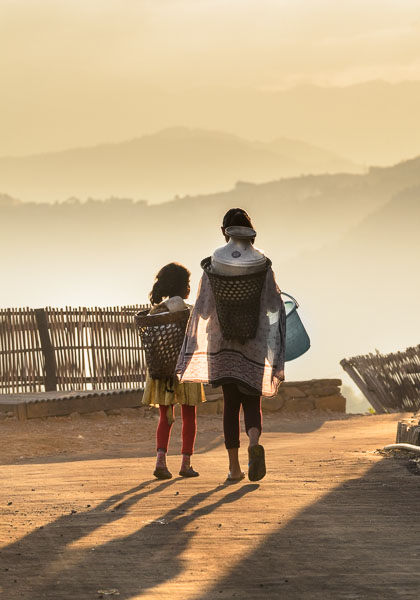
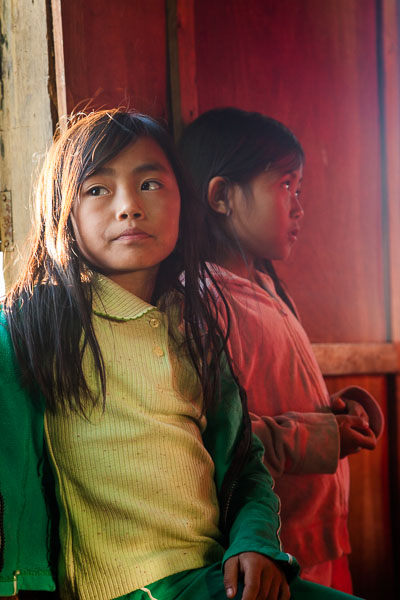
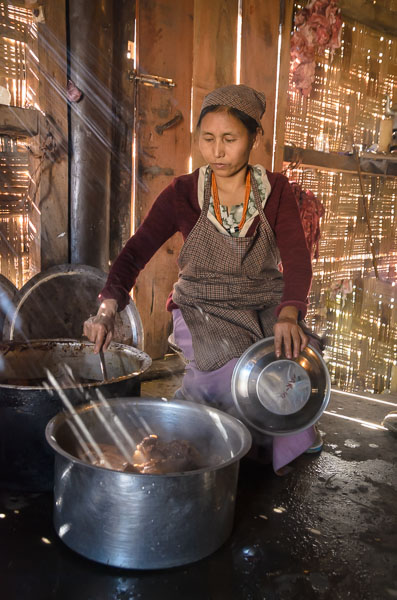
Our ultimate destination toady is the scenic village inhabited by the Rengma tribe, who are considered to be the best Naga blacksmiths. They are also noted for their energetic dances and melodious folk songs. ‘Naga’ is a vaguely defined umbrella term for several tribes of hospitable and warm tribal people. The remnants of their early animist culture and ancient traditions are still very evident. Head-taking and human sacrifice are amongst the customs that have brought the most attention and notoriety to the Naga people! Nagaland, probably one of the least-known-about and little-visited areas of India, is an exciting prospect for photographers. In Tuophema we stay in simple but very traditionally built village houses, constructed in the style that the locals themselves use.The local village is rich with photographic opportunities
Accommodation: Rengma Village Houses
Days 12 & 13: Kohima and the Hornbill Festival
In the morning after breakfast we will leave for the Hornbill Festival. For two days we will stay close to the festival’s Kisama village, photographing and enjoying the Hornbill Festival. This is an annual cultural event that is celebrated by all the tribal people in the state of Nagaland. It is a giant colour-splashed hodgepodge of dances, folk songs, parades, games, sports, ethnic food fairs and religious ceremonies. Our local accommodation is uniquely located. We will be in the centre of it, mingling with the tribal people and photographing all that is happening.
Accommodation Guest house
Day 14: Transfer to Kolkata flight
After breakfast we transfer to Dimapur Airport where for the flight to Kolkata. Hotel accommodation is not included on Day 14. If you would like us to book you a hotel for this night please let us know at the time of booking.
What’s Included
- All meals
- 12 nights accommodation on tour
- 1 night hotel Calcutta
- Comfortable transport
- Photographic tuition
- Naga guide
- All entrance fees
- Camera fees except for any video equipment
- 1 Jeep & 1 elephant safari
- Airport transfers
- Two internal flights
What’s not Included
- International flights
- Travel & medical Insurance
- Alcoholic beverages, soft drinks, snacks between meals
- Tips for local staff
- Indian Visa
Complete Itinerary and Full Details
This page is only a brief summary. A complete itinerary and more details can be found in our trip description PDF
It is important that you read this full day-to-day description and further information for this holiday before making your booking.