
Destination: Iceland
Departures 2027 – Price: £5450
16 – 25 July (available)
Group size: 8 max
Or phone +44 (0)1270 440222



North Iceland – Mývatn & Grímsey Island Birds & Puffins in the Arctic Circle
Highlights include…
- Great time for birds in Iceland
- Puffins in the Arctic Circle
- Grímsey Island
- Hrísey Island
- Lake Mývatn
- Colourful geothermal areas
- Eyjafjörður & Nature Reserve
- Volcanic phenomena
- Sunrises and sunsets in dramatic locations
- Sigurgeir’s famous bird museum
- Midnight sun
- Goðafoss Waterfall
- Fabulous summer flowers
- One flight across Iceland
Introduction
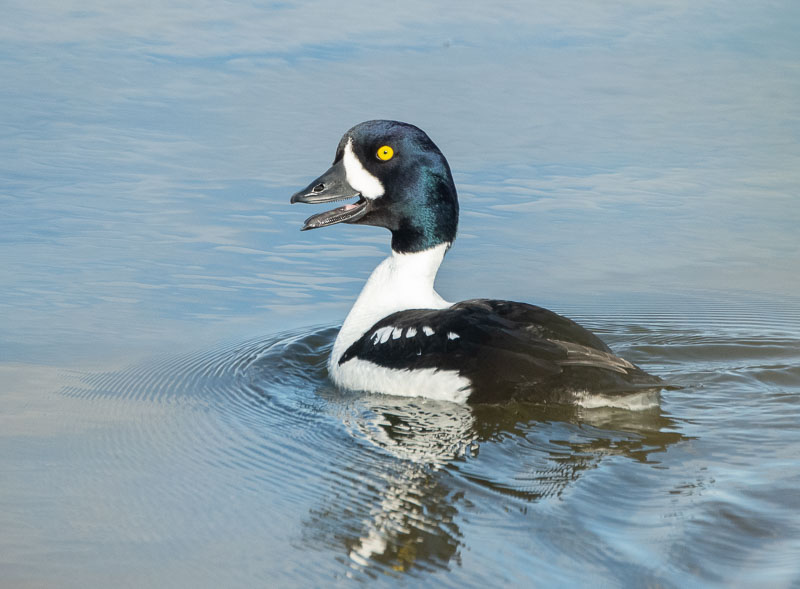
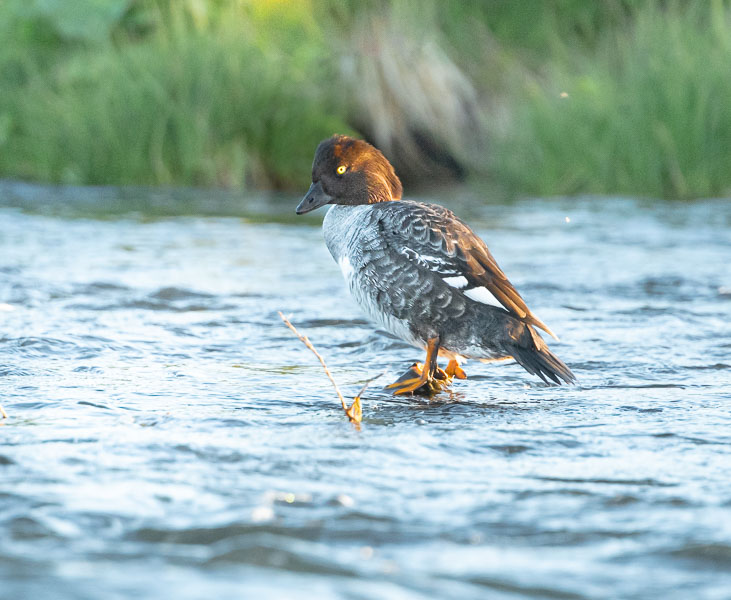
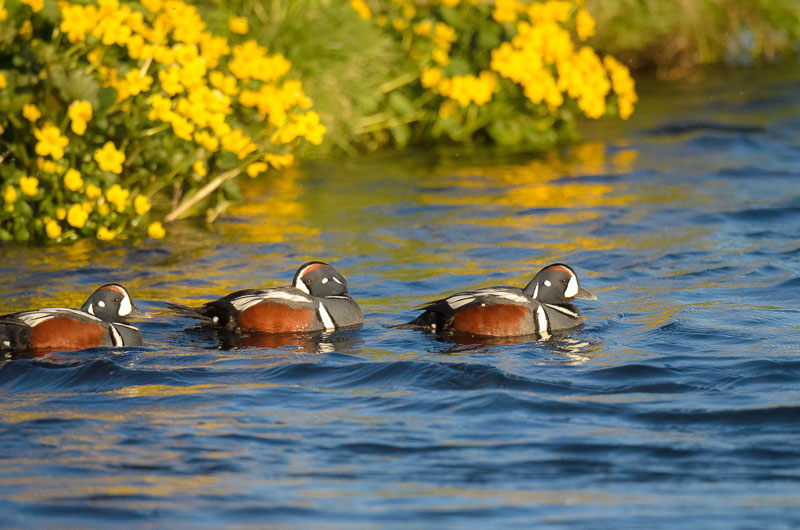
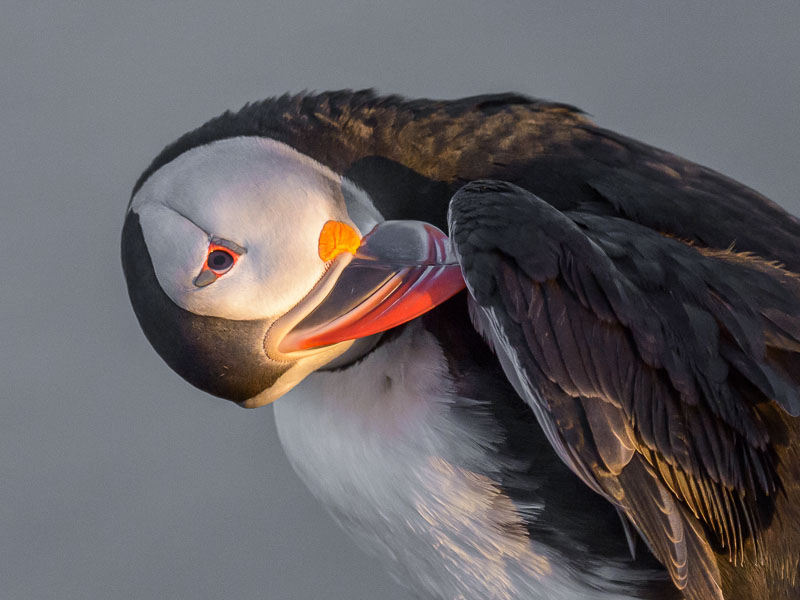
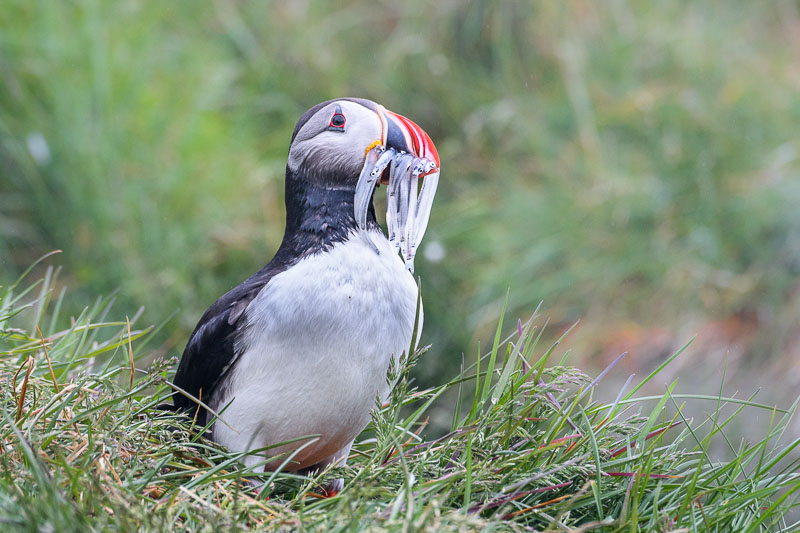
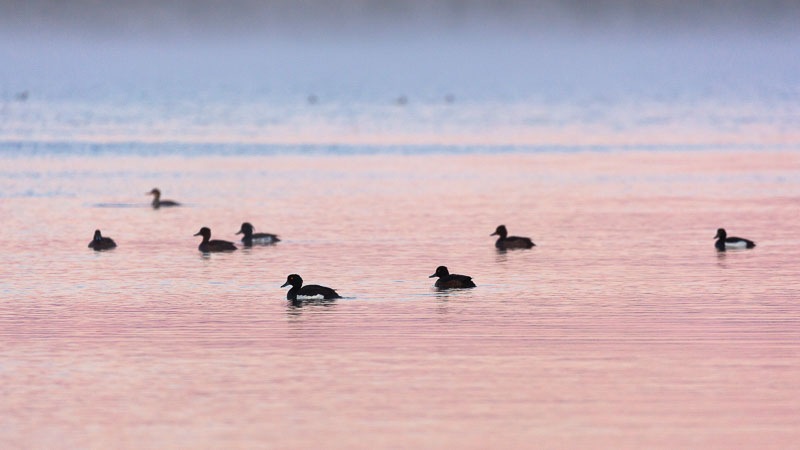
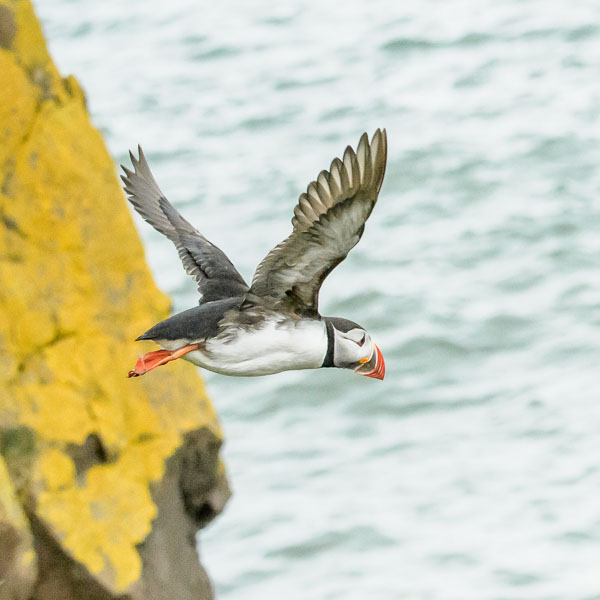
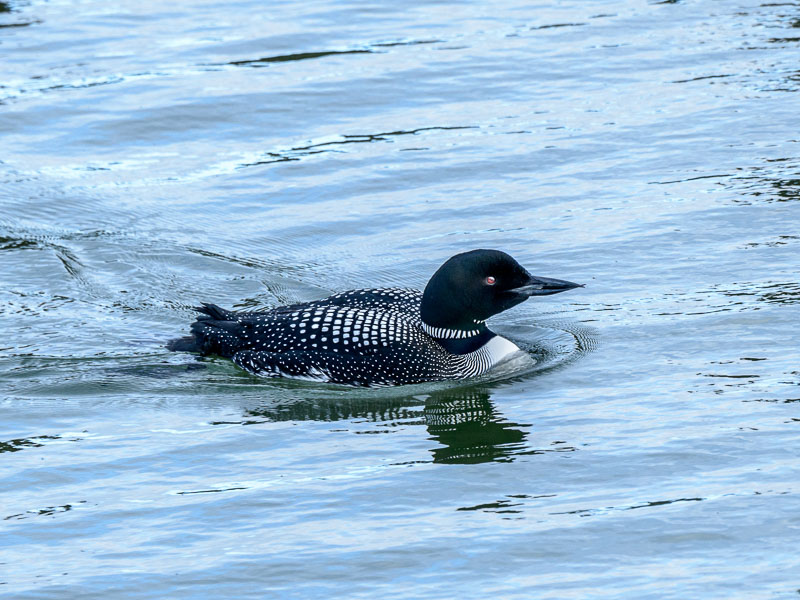
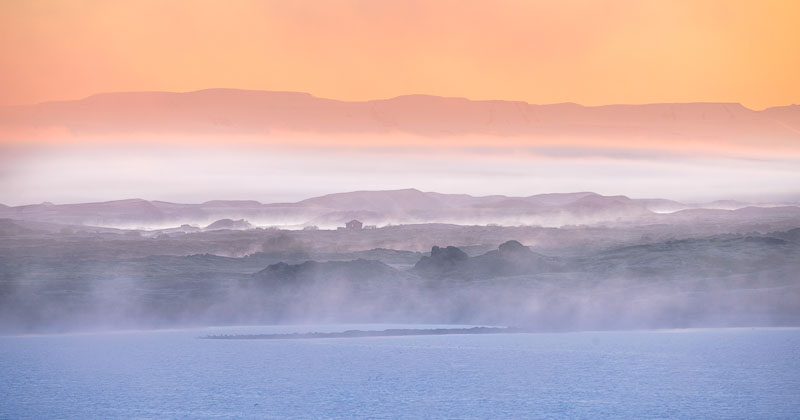
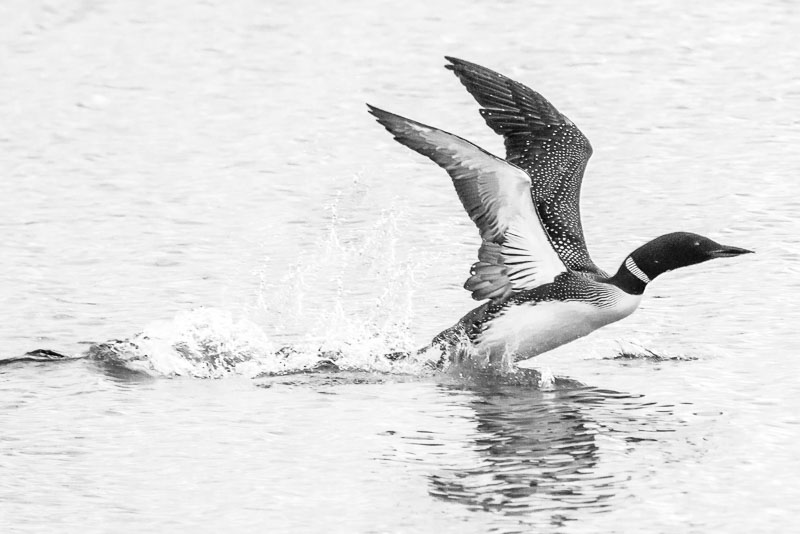
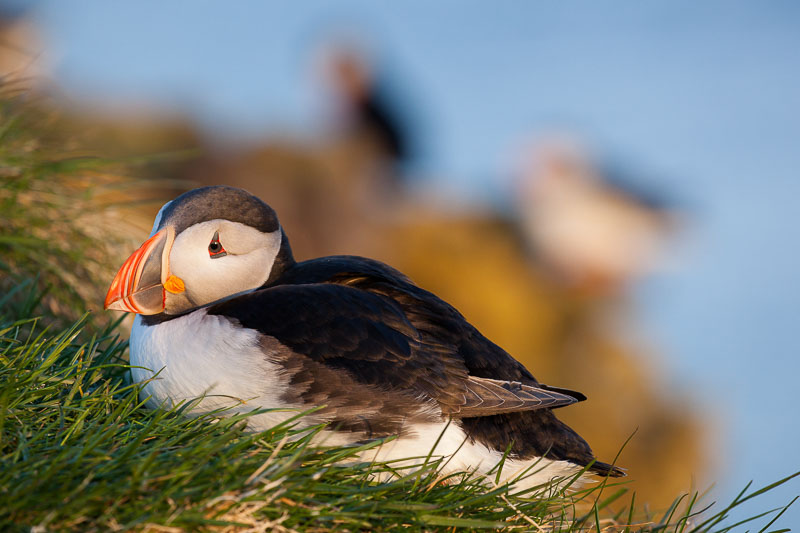
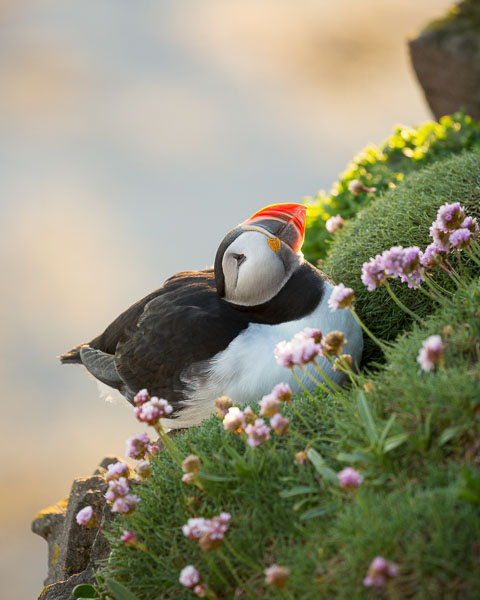
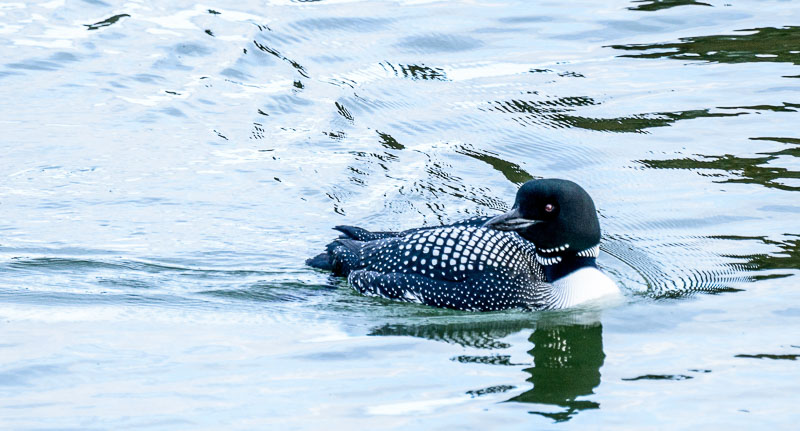
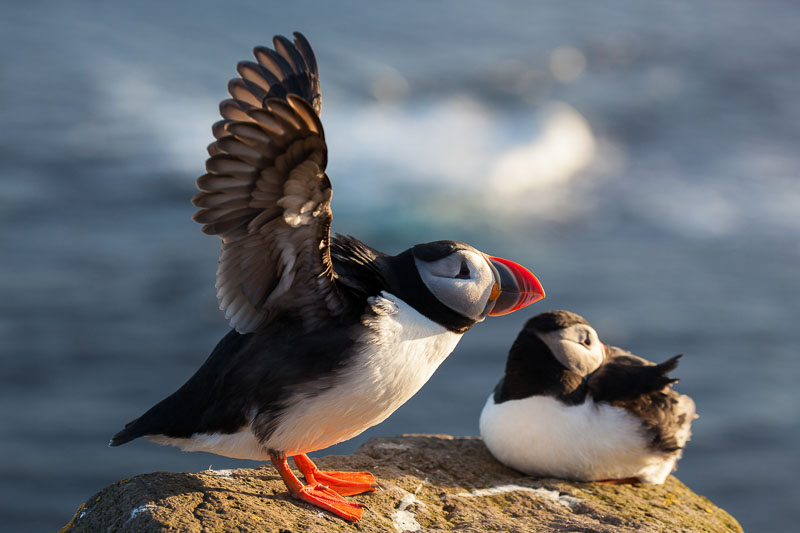
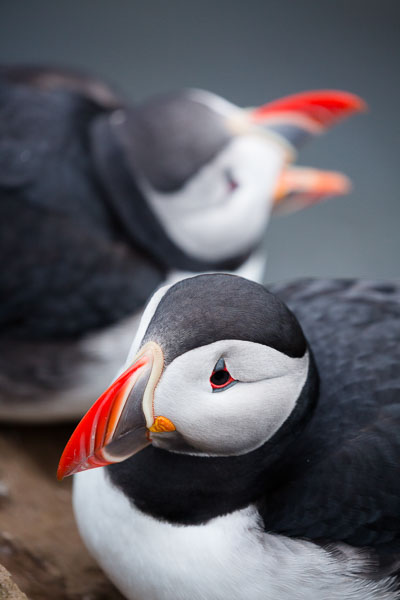
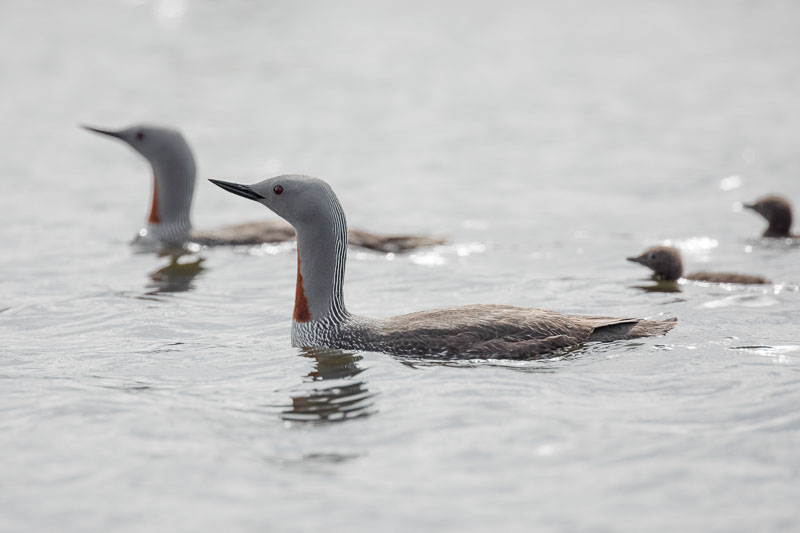
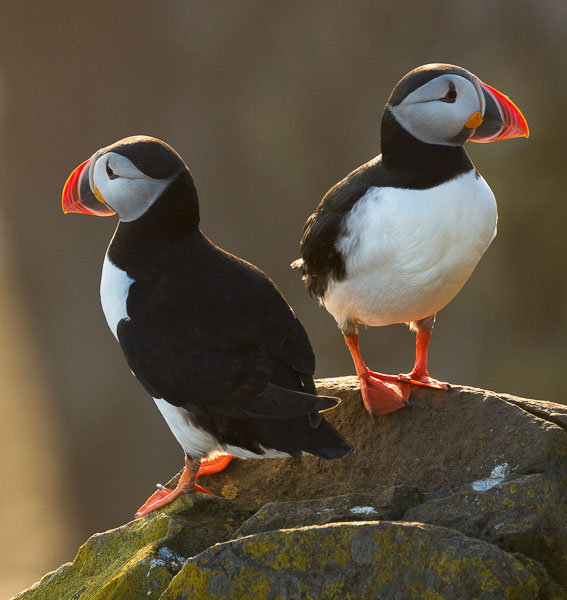
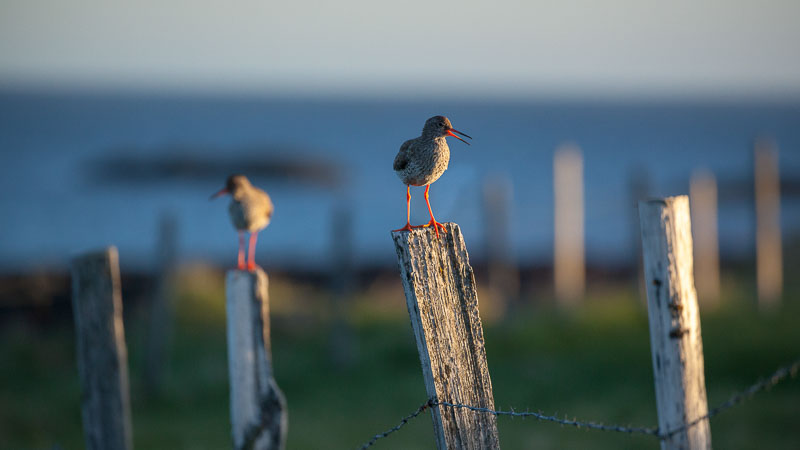
This is a three-base bird trip dedicated to photographing the birds of North Iceland. After several years running bird photography tours in Mývatn area, a world renowned breeding area for ducks and otherworldly landscapes, we have decided to extend and combine this tour to Iceland’s far north Hrísey Island and the Arctic Circle where we will focus on the Puffins and Sea birds of Grímsey Island. This creative adventure photographing birds in the Icelandic landscape takes place in July when the birds including Puffins will be feeding their young and all birds will be busy protecting their offspring from predators. Grímsey Island is possibly Iceland’s best location for photographing the Puffins who live in burrows on the edge of the sea cliffs. Located right on the Arctic Circle it is magical to enjoy Puffins lit by the midnight sun when most other folks are asleep. In Mývatn we will have the opportunity to photograph the abundant waterfowl including Barrows Golden Eye, Harlequin, Great Northern Diver, and many other species together with the surrounding weird and wonderful geothermal landscapes. In addition to Grímsey and Mývatn we will have two nights based in Dalvík overlooking Eyjafjörður. The Eyjafjarðará, Hörgá and Svarfaðardalsá river estuaries and in particular the magical Hrísey Island are among the best places in Iceland for bird photography. At this time of year in Iceland the alpine flowers are in bloom and the Icelandic landscape is enhanced by hours of soft ambient light cast by the midnight sun, welcome to Iceland in summer!
Some of the birds we hope to see and photograph on this tour:
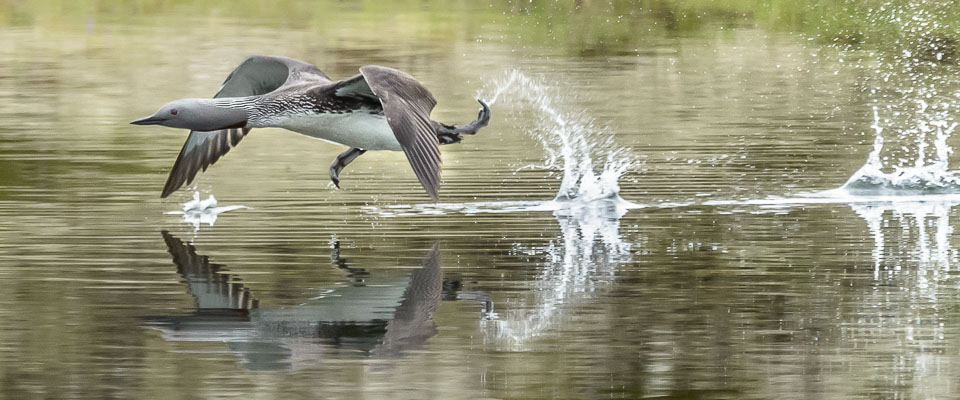
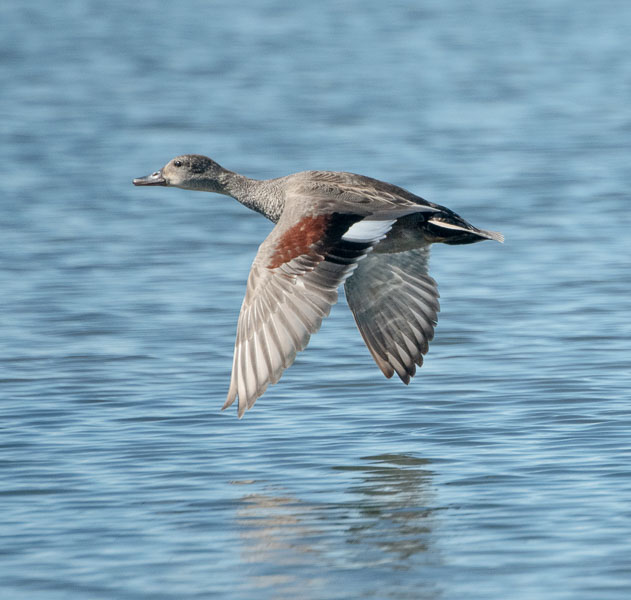
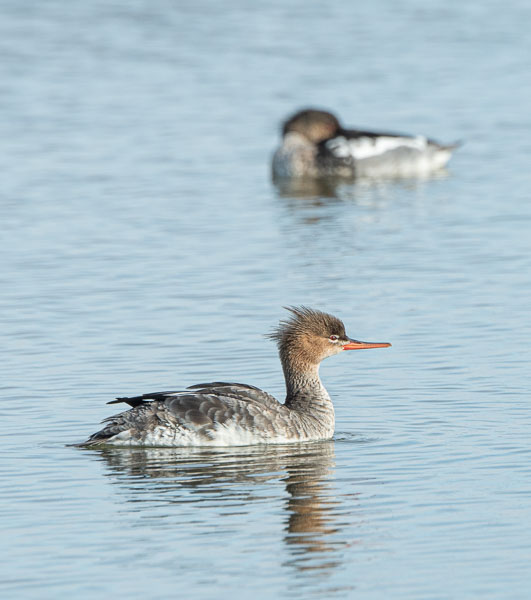
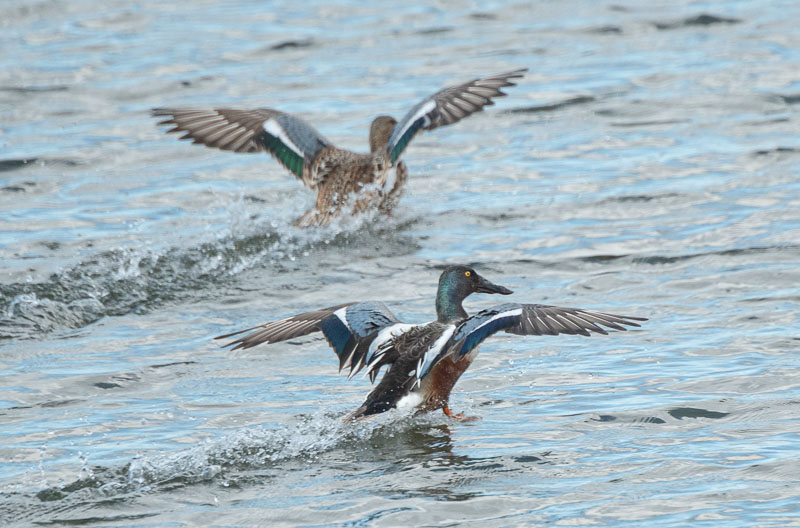
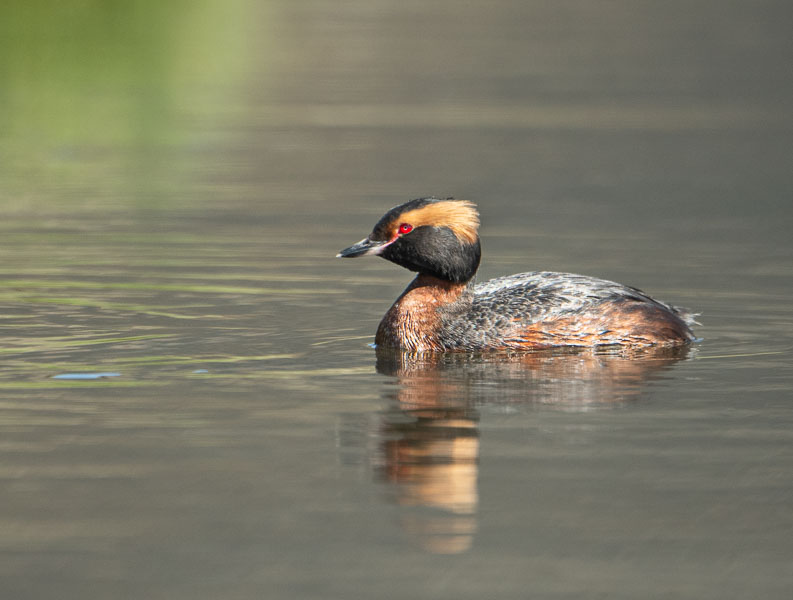
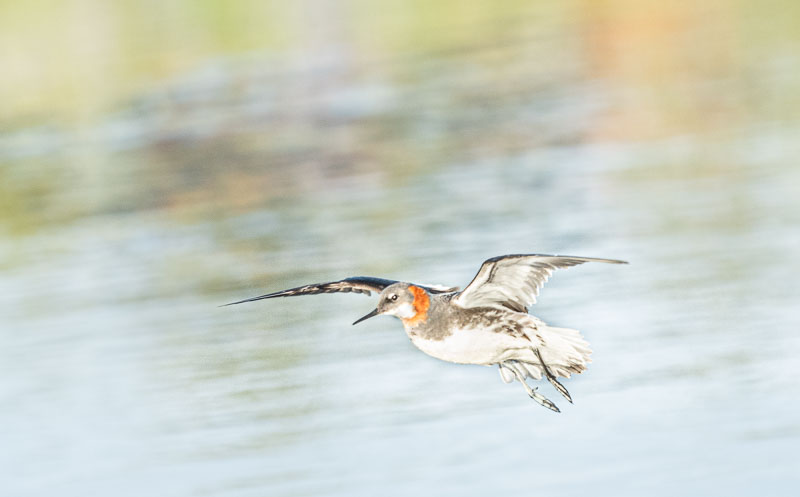
Atlantic Puffin, Razorbill, Kittiwake, North Atlantic Fulmar, Arctic Tern, Arctic Skua, Great Skua, Harlequin Duck, Barrow’s Goldeneye, Eurasian Wigeon, Teal, Greater Scaup, Tufted Duck, Common Scoter, Northern Shoveler, Long-Tail Duck, Great Northern Diver, Red-throated Loon, Horned Grebe, Red-necked Phalarope, Snipe, Redshank, Golden Plover, Ringed Plover, Whimbrel, Gyrfalcon, Black Tailed Godwit, Merlin, Northern Pintail, Oystercatcher, Pink-footed Goose, Raven, Dunlin and Purple Sandpiper.
Brief Itinerary
For full details please download the trip description PDF
Day 1: Flight to Akureyri (1 night)
Wild Photography Holidays services commence with a late afternoon group flight from Reykjavík to Akureyri. The group will meet at Reykjavík’s domestic airport, time TBC. We will meet and transfer you to our first night hotel in Akureyri. At our hotel we will have a meeting for introductions and a trip briefing followed by an image presentation and dinner.
Hotel Akureyri (D)
Day 2–4: Lake Mývatn (3 nights)
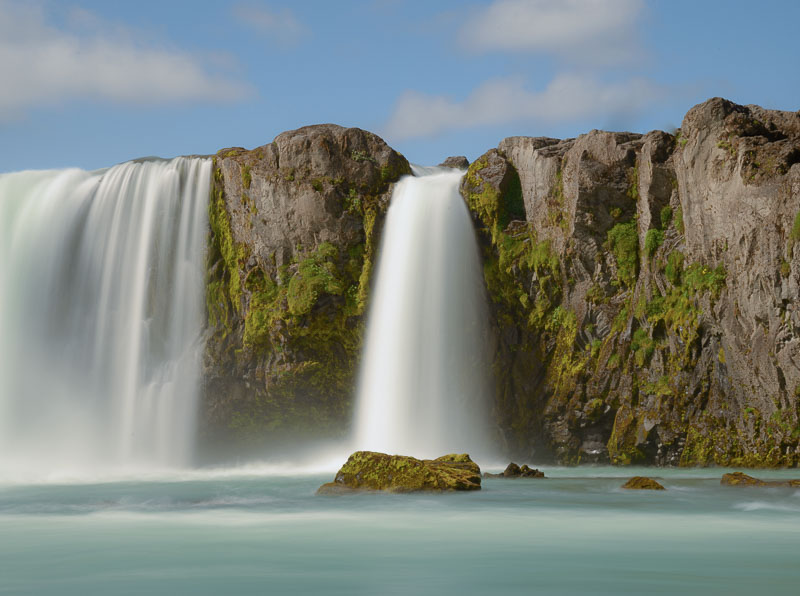
After breakfast we leave Akureyri to drive South to Lake Mývatn. En route we may spend some time at one of Iceland’s most spectacular waterfalls Goðafoss before travelling to our comfortable cabins situated right next to Lake Mývatn, Iceland’s fourth largest lake located at the edge of the volcanic zone cutting through the north of Iceland. It is fed by water welling up from a number of springs on the lakeshore. Craters and volcanoes dominate the landscape. The shoreline is deeply incised by numerous small inlets and speckled with about 50 islands and small islets. Mývatn is world famed for its birdlife both on and around the lake. In July the birds are very conspicuous feeding and defending their young from predators. In summer more species of duck have made their homes in the Mývatn region than in any other location on earth, it is a paradise for bird photographers. We have often photographed the great northern diver here too. The River Laxá flowing from the lake is the prime habitat for Harlequin and Barrow’s Goldeneye in Iceland; these two ducks do not breed anywhere else in Europe.
Over the next two days we will make the most of the long hours of daylight by exploring the best of what this area has to offer both in terms of birdlife and the unique landscape. The area is starkly beautiful, an otherworldly landscape of spluttering mud pots, weird lava formations, steaming fumaroles, volcanic craters, serene pools and breeding birds crazy with hormones. We always do our best to meet our guests expectations. We will concentrate on photographing birds in the landscape. Our tutors will be helping you to do this in a creative way. They will also to make sure that you have a full grasp of the technical skills required for modern bird photography. Keep a look out for the Gyr Falcons who nest in the area and find rich pickings during the breeding season. During the times when we are not out in the field our tutors will be helping you to review and process images together with showing you examples of their own work for inspiration.
Cabins Lake Mývatn (B,L,D)
Day 5-6: Dalvík and Hriséy (2 nights)
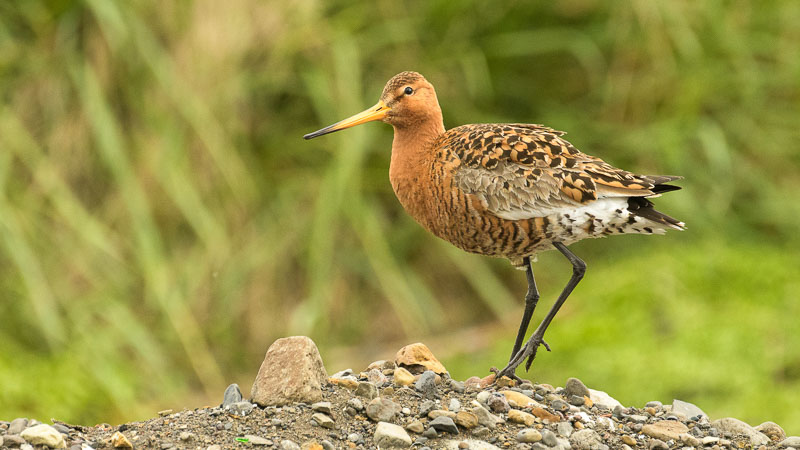
After breakfast we leave the Mývatn area to drive North, through Akureyri and on to our hotel in Dalvík located on the edge of Eyjafjörður. En route we will visit bird locations and Goðafoss Waterfall. We will have an early evening meal before exploring Svarfaðardalur Nature Reserve, the first wetland area granted protection in Iceland. The area of Húsabakki at the inland end of the Svarfaðardalur Nature Reserve is just 5 km from our hotel. From the path a wide variety of waterfowl and waders maybe seen; also Ptarmigan and passerines. Black-tailed Godwit, Whimbrel and Greylag Geese are abundant and Harlequin Ducks are often seen on fast-flowing reaches of the river. In the evening light we will photograph around the coastal end of the nature reserve around the Lake Hrísatjörn. The Slavonian Grebe and Whooper Swan breed here every year. At the east of Hrísatjörn there is a hide.
On our second morning we will take a leisurely drive along the fjord to visit various bird locations before returning to Árskógssandur for an afternoon ferry to the tiny Island of Hrísey, it takes just 15 minutes. Around 40 bird species nest in Hrísey, some can only be counted in a few pairs while others are in thousands. The main reason for this unusually large concentration of birds is that all hunting and gathering of eggs is banned plus there are no predators such as foxes, minks, mice or rats. The Ptarmigan is a protected species on Hrísey, although it is hunted elsewhere in Iceland. Waders have dense breeding colonies. Weather permitting we will hope to enjoy the evening light, a meal in the local pub and return on the last ferry at 23.30
Hotel Dalvík (B,L,D)
Day 7,8,9: Grímsey Island (3 nights)
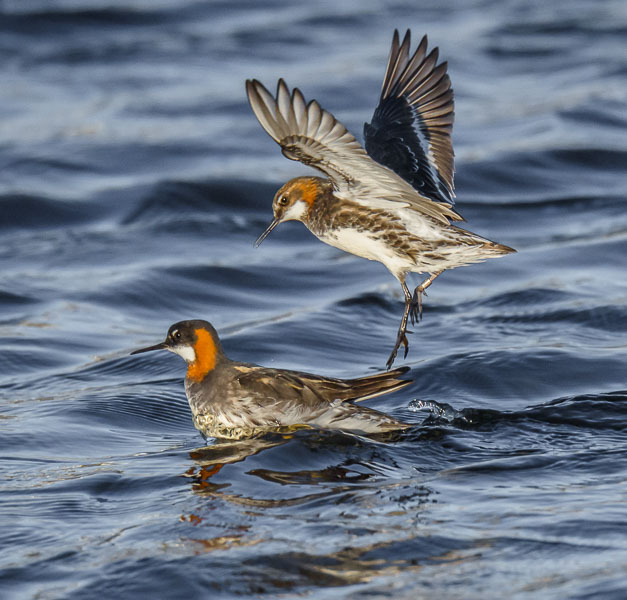
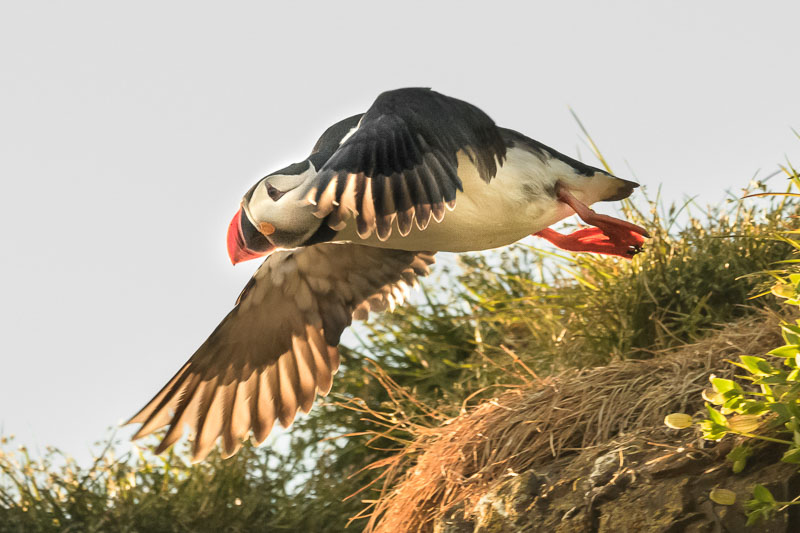
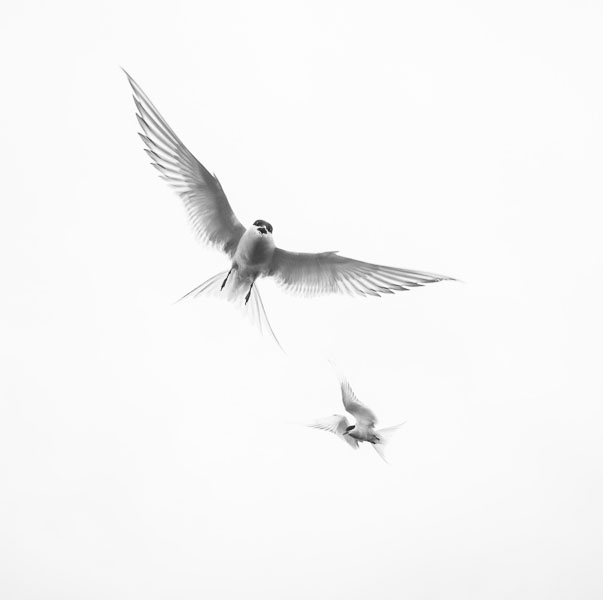
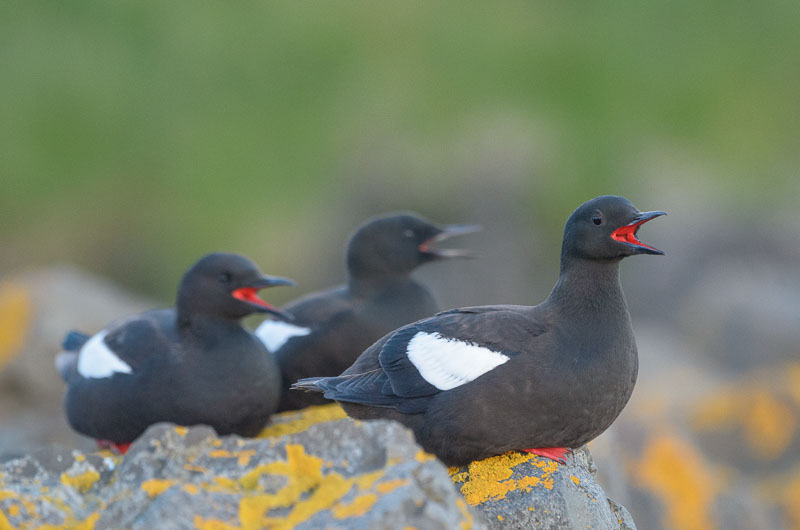
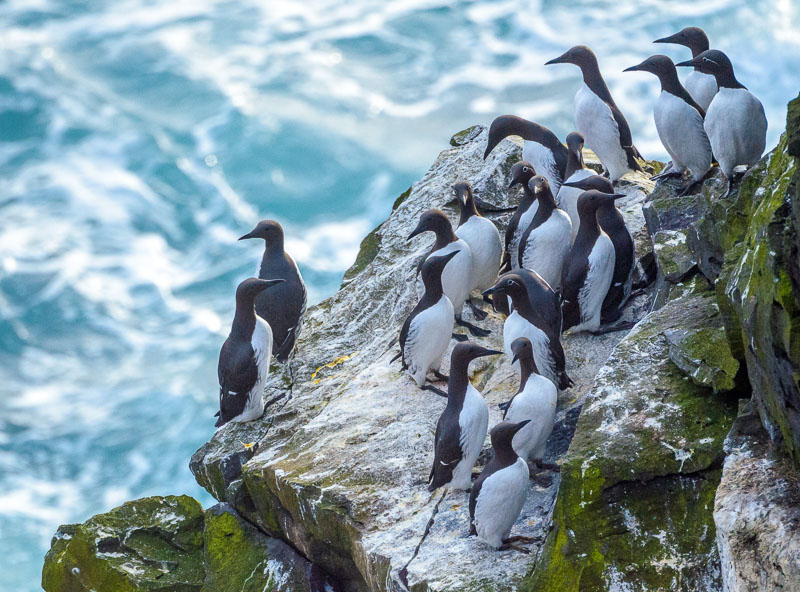
This morning we take the 9:00 AM ferry (3 hrs) to Grímsey Island where we’ll be staying for two nights. The ferry journey is a fine opportunity to see some stunning vistas of North Iceland, we often see Whales en route. After settling into our comfortable guesthouse we will begin our exploration of this serene island which is basically just one giant bird colony. Grímsey is the northernmost inhabited Icelandic territory, just 5 square kilometres with around sixty residents and it is located on the Arctic Circle. The north Atlantic current brings some warmth from the Gulf of Mexico, promoting a surprisingly mild climate despite its northerly position. The main commercial activity here is fishing, there are a few sheep and collecting seabird eggs is also common. This small island is the best location in Iceland for photographing the Atlantic Puffin, especially in flight. Puffins are easily photographed at numerous locations almost any time of day. Fulmars, Murres, Razorbills and Kittiwakes nest on these same cliffs. There is a colony of Arctic Terns right outside our guest house. Red Guillemots nest and fish in the pretty harbour and Red Phalaropes dart energetically around the village pond. Also vying for our photographic attention are the nesting Oystercatchers, Sandpipers, Plovers, Wagtails, Wheatears and Buntings that are widely distributed across the island.
Our guest house on Grímsey is perfectly located close to the bird cliffs. it is clean, simple and guests will share a room. We will have the whole house for ourselves. Grímsey is the only place in Iceland located on the Arctic Circle. The seascapes, including an array of wild flowers, are fabulous and the dramatic Arctic light makes for some superb, creative photography.
Guesthouse (B,L,D)
Day 10: Fly Grímsey to Akureyri
Today we will take the Nordurair flight to Akureyri, time to be confirmed with the office. The tour officially finishes with this flight. Guests are required to take care of their onward journey from this point. Please get in touch with the office before you book your return flights, so we can advise with the timings.
(B)
What’s Included
- 9 nights accommodation
- 2 flights: Reykjavík to Akureyri & Grímsey to Akureyri
- All meals
- Ferries to Grímsey and Hrísey
- Transfer to Akureyri Hotel (Day 1)
What’s Not Included
- International Flights
- Drinks and snacks extra to meals
- Alcoholic beverages
- Insurance
Complete Itinerary and Full Details
This page is only a brief summary. A complete itinerary and more details can be found in our trip description PDF
It is important that you read this full day-to-day description and further information for this holiday before making your booking. This is currently being updated.